

Where to Place Ganesh Ji Idol at Home as per Vastu Shastra
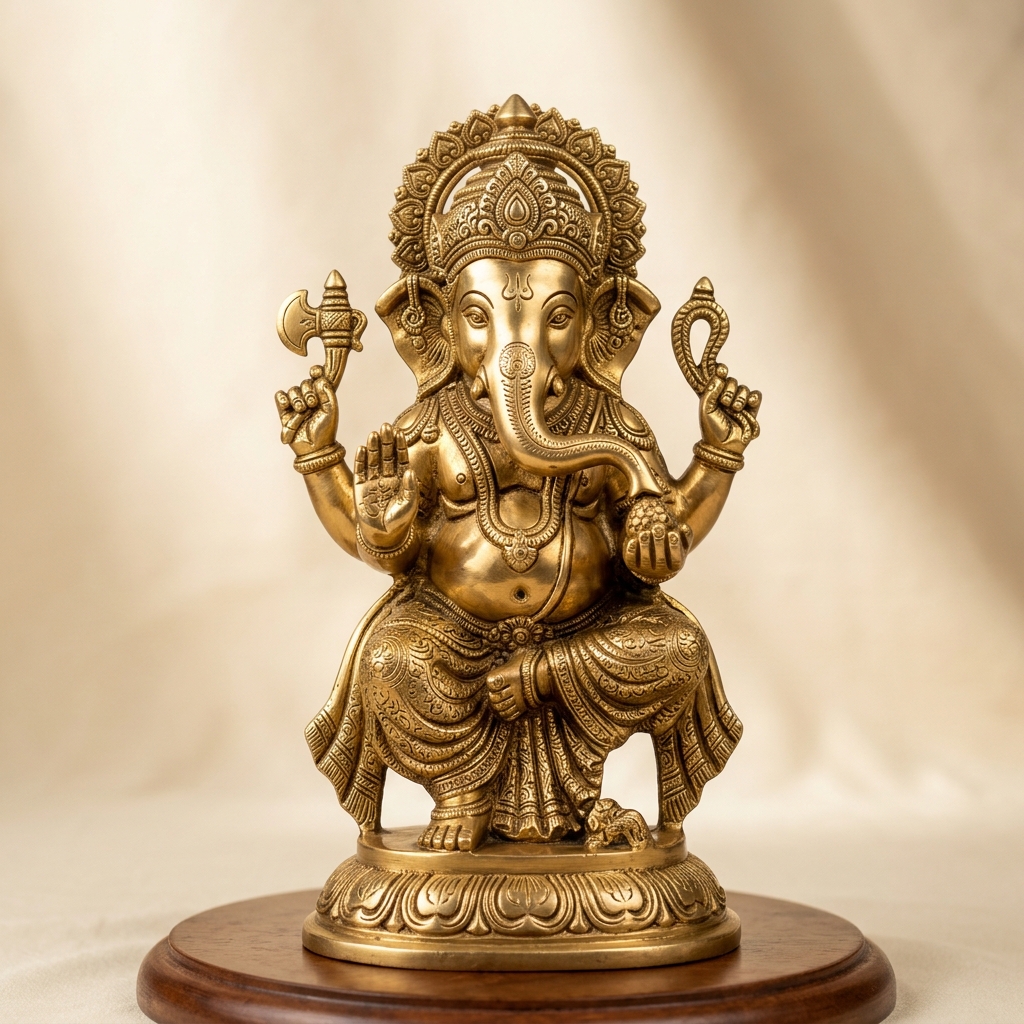
Welcoming Lord Ganesha into your dwelling is one of the most auspicious milestones in Sanatana Dharma. As the supreme remover of obstacles (Vighnaharta) and deity of wisdom, His sacred presence cleanses energy currents. However, according to Vastu Shastra and Agamic traditions, the placement of the idol plays a vital role in unlocking these blessings.
1. The Ideal Direction: North-East (Ishanya Kon)
The North-East corner of the house is ruled by Lord Shiva and represents the confluence of divine sattvic currents. Placing your Ganesh Ji murti facing North or East allows prayers to harmonize naturally with cosmic magnetic flows. If the North-East is unavailable, North or East is equally auspicious.
2. Trunk Direction: Left (Vamamukhi) vs Right (Dakshinabhimukhi)
For home mandirs, idols with the trunk curved towards the left (Ida Nadi / Chandra Swara) are ideal. This form is known as Vamamukhi or Edamuri and represents calm, soothing, and easily pleased energy. Idols with the trunk turning towards the right (Pingala Nadi / Surya Swara) represent intense, fiery tapasya and require rigorous daily pooja rituals following strict temple disciplines.
3. Seated vs Standing Ganesha
For residences, always select a Lalitasana (Seated Ganesha) posture. A seated deity signifies calm stability, permanence of wealth, and peaceful family harmony. Standing (Nritya/Stambhana) forms are best suited for creative studios, offices, or living room cultural showcase niches.
4. Placement Rules to Avoid
- Never place Ganesh Ji under a staircase or directly against a shared bathroom wall.
- Avoid keeping two Ganesh idols facing each other, as ancient texts mention it causes opposing energetic tensions.
- Ensure the idol is placed on a raised chowki or clean altar cloth above floor level.
Ready to Welcome Ganpati Bappa Home?
Explore our authentic 100% pure solid brass idols crafted per Shilpa Shastra proportions. Free insured delivery across India.
Explore Brass Idols →